Effective Moment of Inertia for Cracked Concrete Walls
Why Ie/Ig ratios for concrete walls range from 0.25 to 0.8 across codes, and how to pick the right stiffness reduction factor for seismic analysis.
Read Article →Why Ie/Ig ratios for concrete walls range from 0.25 to 0.8 across codes, and how to pick the right stiffness reduction factor for seismic analysis.
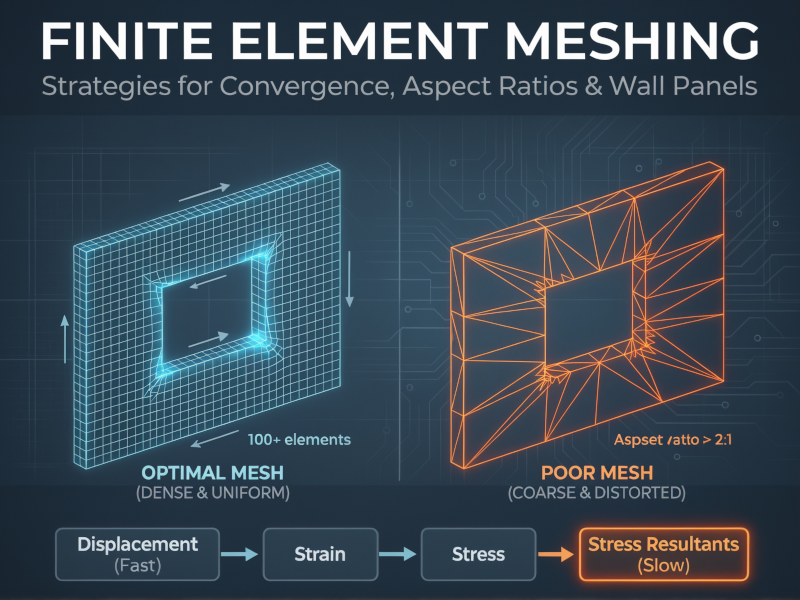
Read Article →Effective finite element meshing strategies for structural engineers, covering convergence orders, aspect ratios, and mesh density rules for wall panels.
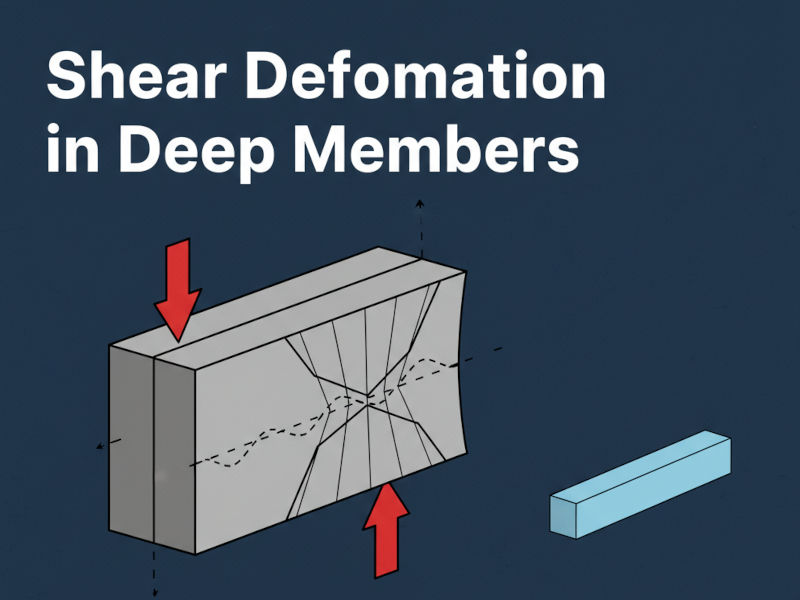
Learn when shear deformation starts to matter, how to compute effective shear areas, and how to model deep beams, plate girders, and spandrel beams with confidence.
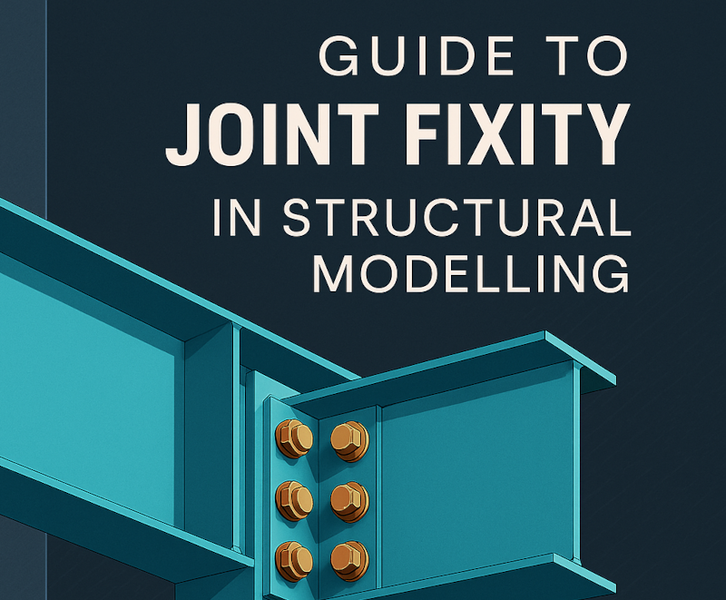
Move beyond 'pin' or 'fixed' assumptions in your steel frame analysis. A practical guide for Canadian engineers on CSA S16 criteria and semi-rigid connection modeling.
A practical guide for Canadian structural engineers on the core differences between the Frame Stiffness Method and FEA, and how to choose the right tool.
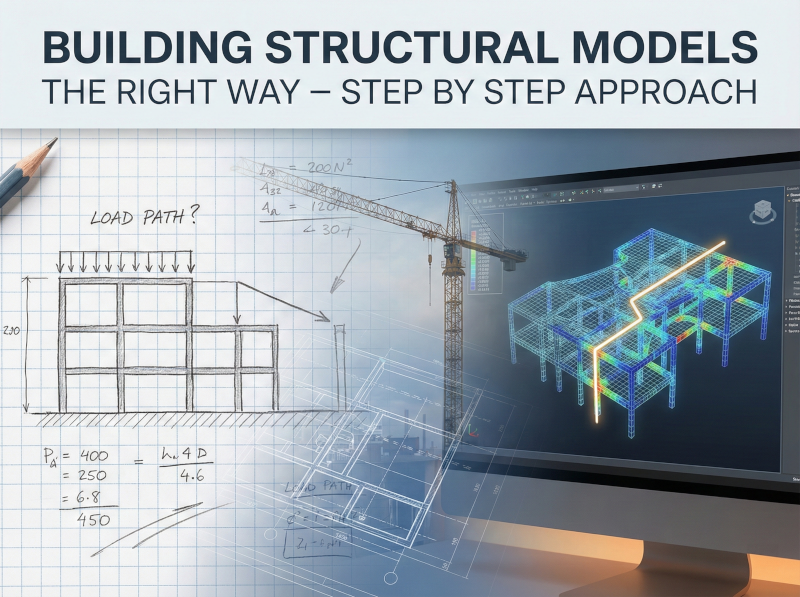
Your model runs, but is it right? Learn to challenge assumptions about foundations, diaphragms, and load paths to build real confidence in your design.
A practical breakdown of the EGBC Professional Practice Guidelines for Retaining Wall Design. We're cutting through the dense document to give you the actionable checklist you need for design compliance, focusing on key thresholds, mandatory reviews, and your obligations as the Engineer of Record.