Why Your Software Says 'Singular Matrix'
Why Your Software Says ‘Singular Matrix’

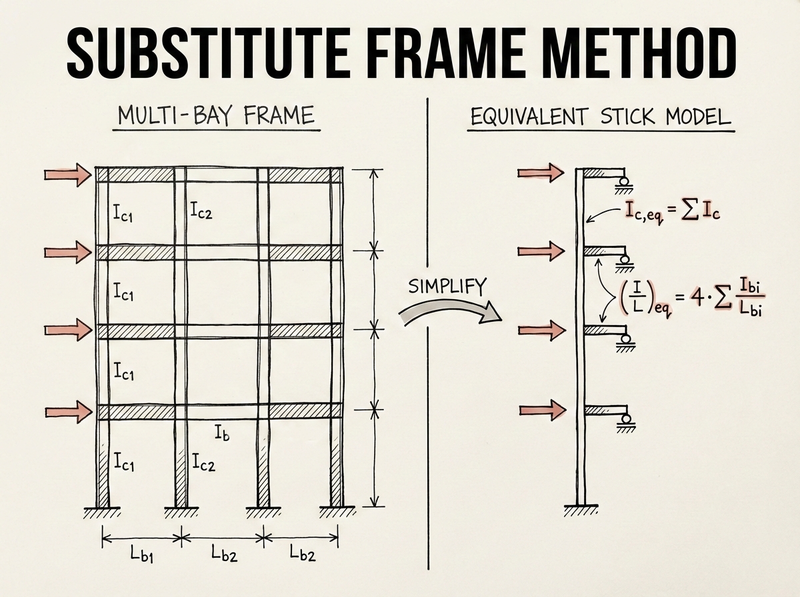
You’ve spent two hours building a model, carefully assigning sections and loads, and then you hit Analyze. Instead of results, you get an error message: “Singular stiffness matrix” or “Instability detected” or some variation that basically tells you your model is broken.

...

5 Live Load Nuances in the NBCC Commentary
Standards Design principles Practical applications 5 Live Load Nuances in the NBCC Commentary

You’re finalizing a set of drawings, cross-checking load cases against the National Building Code, and wondering if you’ve caught every little detail. The NBCC is a dense document, and its companion, the Structural Commentaries, is packed with the “why” behind the rules. It’s in those commentaries that we find the nuances that can make or break a design, or at least save us a headache during a plan check.

read more
A Practical Guide to Seismic Flexible Retaining Wall Design
Practical applications A Practical Guide to Seismic Flexible Retaining Wall Design

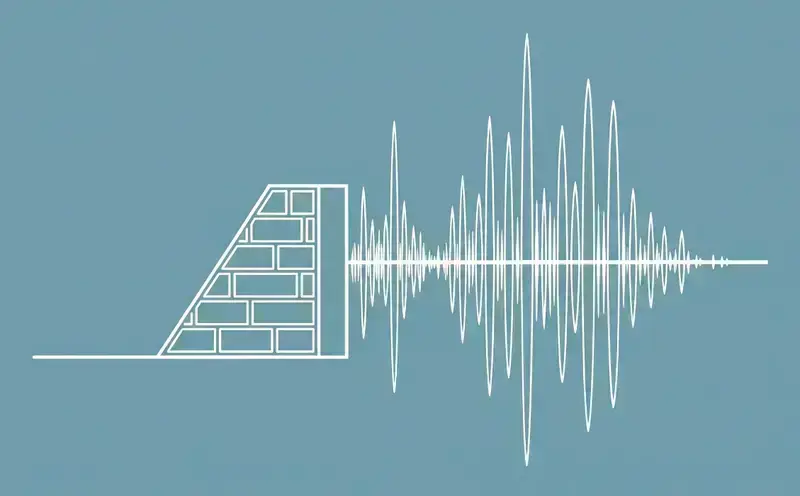
So, you’ve just been handed a project with a decently sized retaining wall, and it’s in a location with some seismic kick. Immediately, you know that your standard static analysis isn’t going to cut it. The response of a retaining wall to seismic loading is a complex soil-structure interaction problem, and figuring out the right approach can be daunting. This is a classic example of where we move beyond simplified prescriptive rules and into the world of engineered precision using Part 4 principles.

read more
Navigating Wind & Snow Loads in Part 4 vs. Part 9
Standards Design principles Materials Industry insights Professional development Practical applications Navigating Wind & Snow Loads in Part 4 vs. Part 9

Canadian projects see everything from heavy snowfalls to strong winds, so our designs constantly have to stand up to the elements. The National Building Code of Canada (NBCC) gives us the rulebook, but how we apply those rules can differ significantly, especially when we’re talking about Part 4 (Structural Design) versus Part 9 (Housing and Small Buildings).

read more
Engineered Precision (Part 4) vs. Prescriptive Paths (Part 9)
Standards Engineered Precision (Part 4) vs. Prescriptive Paths (Part 9)

The National Building Code of Canada (NBCC) gives us two primary structural design pathways that show up in everyday practice: the engineered requirements of Part 4 and the prescriptive provisions of Part 9. Deciding which one applies—and where they overlap—is a fundamental part of our work as structural engineers in Canada.

read more

About Me

Image

Hey there!

I’m Arun Kishore, a Professional Engineer based in Vancouver, BC. I specialize in structural engineering for LNG facilities, civic water infrastructure, and advanced buildings — with a passion for automating the tedious stuff so engineers can focus on what matters.

Know More

Social