Effective Moment of Inertia for Cracked Concrete Walls
Why Ie/Ig ratios for concrete walls range from 0.25 to 0.8 across codes, and how to pick the right stiffness reduction factor for seismic analysis.
Read Article →Why Ie/Ig ratios for concrete walls range from 0.25 to 0.8 across codes, and how to pick the right stiffness reduction factor for seismic analysis.
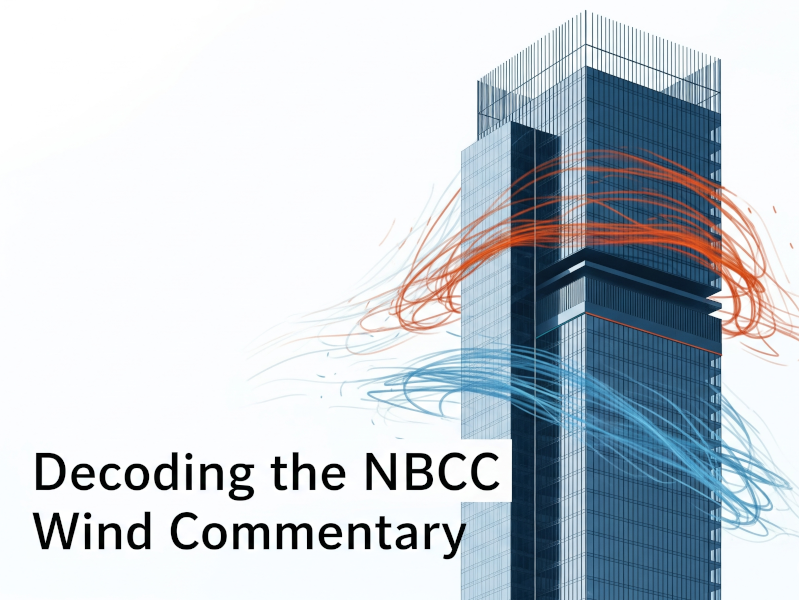
Read Article →A practical walkthrough of the NBCC's Commentary on Wind Load and Effects, helping Canadian structural engineers navigate the three main procedures, key factors, and special design cases like solar panels and parapets.
A practical guide for Canadian structural engineers on the notable wind design changes in the NBC 2020, covering attached canopies, parapets, solar panels, and partial loading.
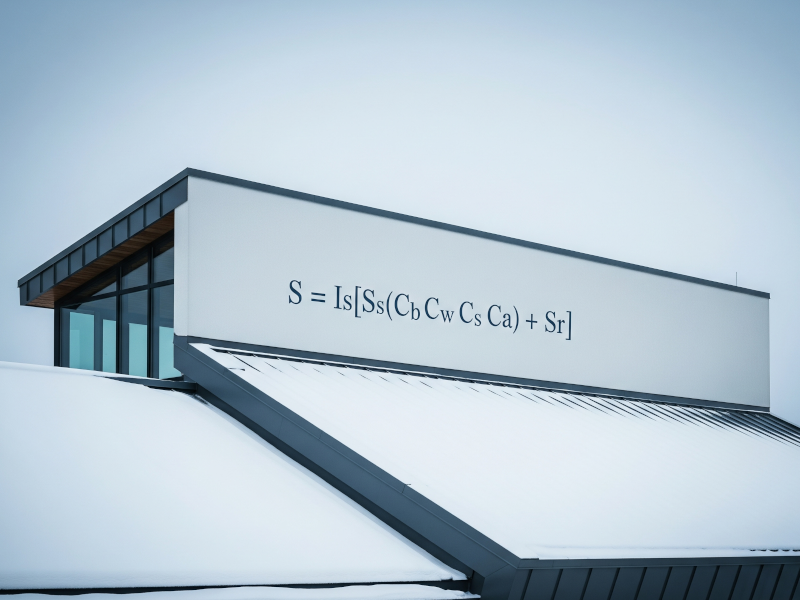
A deep dive into the history and engineering principles behind the NBCC snow load factors Cb, Cw, and Cs. Understand the story behind the numbers you use every day in Canadian structural design.
A practical deep-dive for Canadian structural engineers into the nuances of snow loads, exploring the distinction between Ss and Sr, the changing specific weight of snow (γ), regional variations, and the historical context of the NBCC.
How NBCC 2020 handles sliding snow, solar panel arrays, and the loads on snow retention systems and sunshades on modern roofs.
Five live load provisions in the NBCC 2020 commentary that are easy to miss, including snow load combinations, two-way slab restrictions, and repair garage durability requirements.