Why Your Software Says 'Singular Matrix'
Why Your Software Says ‘Singular Matrix’

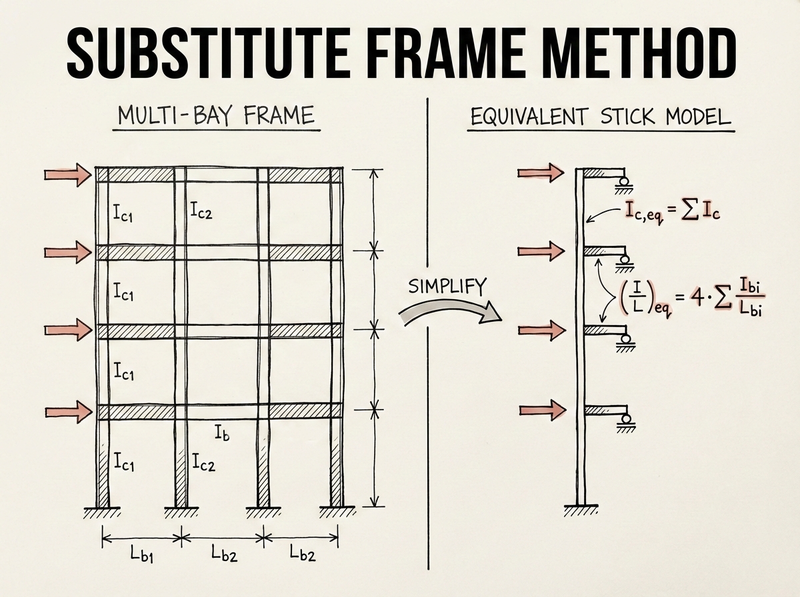
You’ve spent two hours building a model, carefully assigning sections and loads, and then you hit Analyze. Instead of results, you get an error message: “Singular stiffness matrix” or “Instability detected” or some variation that basically tells you your model is broken.

...

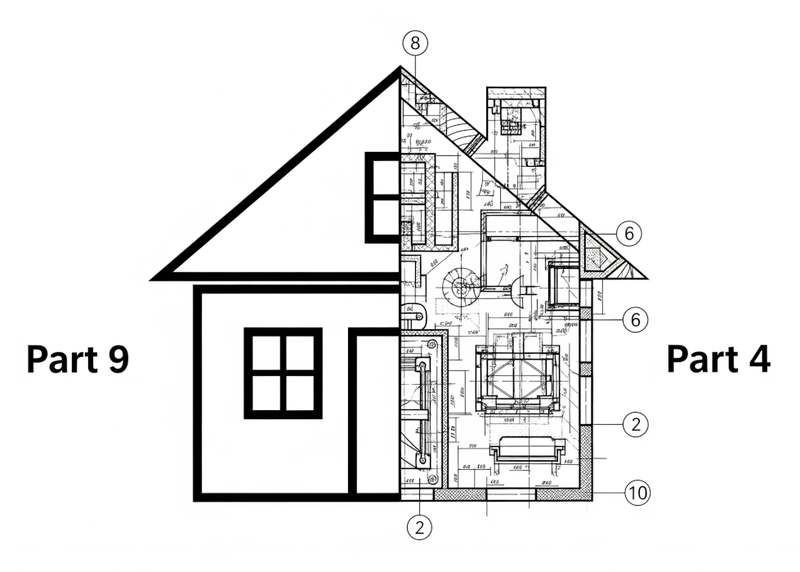
Part 4's Leap vs. Part 9's Sticking Point
Standards Design principles Industry insights Practical applications Part 4’s Leap vs. Part 9’s Sticking Point

In this article we’ll be looking at seismic. Specifically, let’s chew on something that’s been a hot topic since the NBCC 2020 dropped: the growing gap in seismic design philosophies between Part 4 (Structural Design) and Part 9 (Housing and Small Buildings). If you’re juggling projects that dance on the edge of Part 9’s limits or work across different seismic zones in Canada, this is a conversation you need to be in on.

read more
When Does Part 9 End and Part 4 Begin in the NBCC?
Standards Practical applications Design principles When Does Part 9 End and Part 4 Begin in the NBCC?

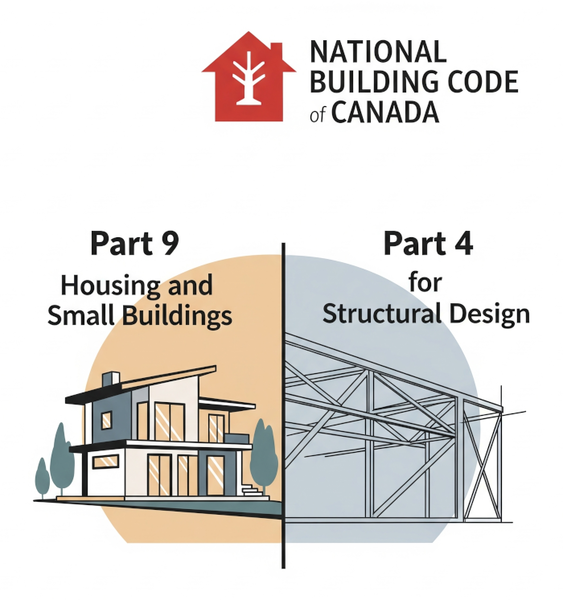
Let’s talk about something that trips up even seasoned engineers from time to time: figuring out exactly where National Building Code of Canada (NBCC) Part 9, “Housing and Small Buildings,” hands off the baton to Part 4, “Structural Design.” Get this wrong, and you could be heading for a world of compliance headaches, or worse, an under-designed structure. Get it right, and you’re setting your project up for success from day one.

read more
When Part 9 Leans on Part 4 – A Guide for Complex Small Buildings
Practical applications When Part 9 Leans on Part 4 – A Guide for Complex Small Buildings

You’ve got a project that, at first glance, looks like a straightforward Part 9 building – a “house or small building” as the NBCC puts it. But then you start digging into the details, the architect throws in a few “features,” or the site conditions are less than ideal, and suddenly you’re wondering if those prescriptive Part 9 solutions are going to cut it.

read more
Canadian Codes, Challenges, and the Road Ahead
Standards Design principles Industry insights Practical applications Canadian Codes, Challenges, and the Road Ahead

In our first three posts, we’ve journeyed through the “what and why” of Performance-Based Design (PBD), mapped out the typical PBD process and player lineup, and even gotten our hands dirty with the nitty-gritty of modeling, analysis, and verification. If you’ve been following along, you know PBD isn’t just a fancy buzzword; it’s a powerful approach to designing structures that meet specific, tangible performance goals.

read more
PBD Toolkit Part 3: Analysis, Modeling & Verification
Design principles Practical applications Industry insights PBD Toolkit Part 3: Analysis, Modeling & Verification

In our first two posts on Performance-Based Design (PBD), we covered the “what and why” – shifting from prescriptive codes to targeting specific building performance – and then we looked at the “who and how” of setting those crucial performance objectives. If you missed them, I’d suggest giving them a read first as we’re about to jump into the deep end of the pool.

read more

About Me

Image

Hey there!

I’m Arun Kishore, a Professional Engineer based in Vancouver, BC. I specialize in structural engineering for LNG facilities, civic water infrastructure, and advanced buildings — with a passion for automating the tedious stuff so engineers can focus on what matters.

Know More

Social