Effective Moment of Inertia for Cracked Concrete Walls
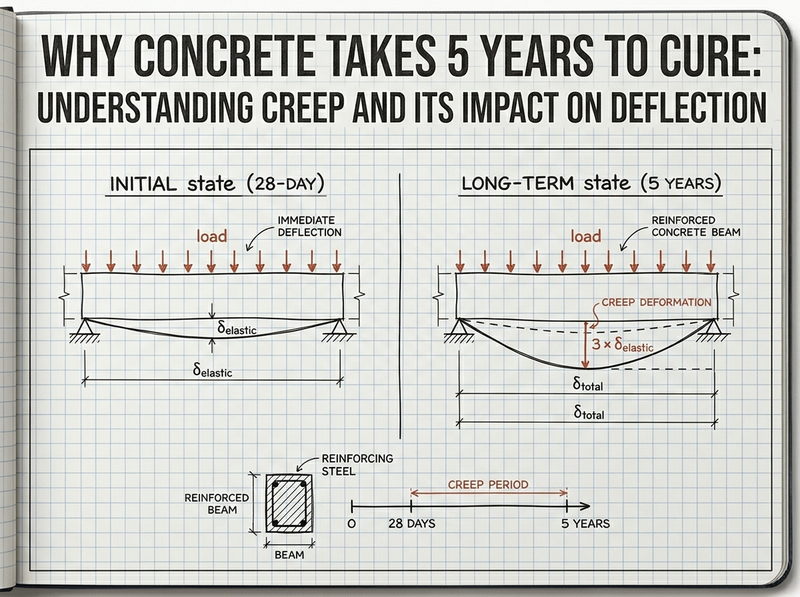
Why Ie/Ig ratios for concrete walls range from 0.25 to 0.8 across codes, and how to pick the right stiffness reduction factor for seismic analysis.
Read Article →Why Ie/Ig ratios for concrete walls range from 0.25 to 0.8 across codes, and how to pick the right stiffness reduction factor for seismic analysis.
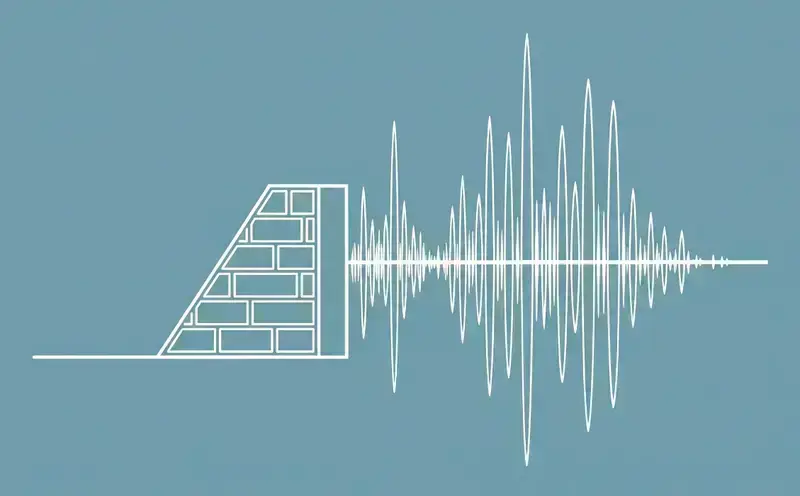
Read Article →A practical walkthrough of the Mononobe-Okabe method for designing flexible retaining walls under seismic loads in Canada, complete with code insights and critical limitations every structural engineer should know.

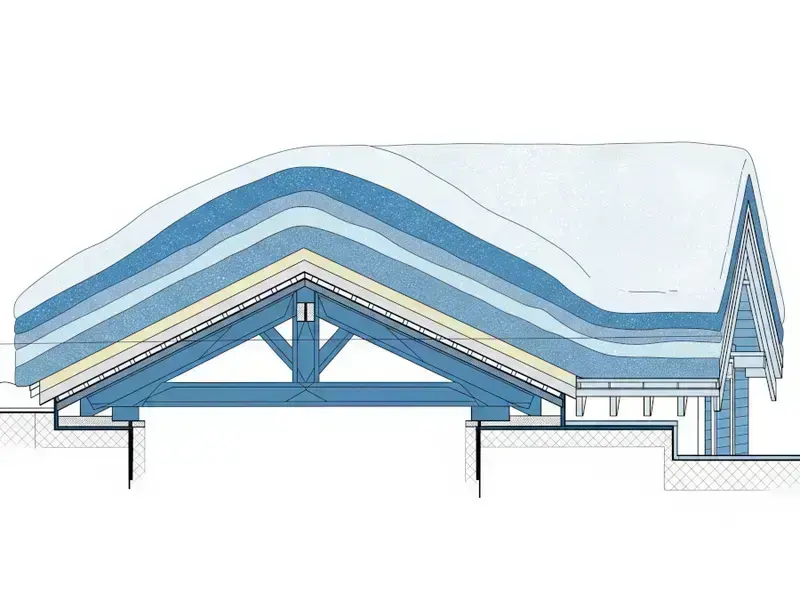
A practical comparison for Canadian structural engineers on determining and applying wind and snow loads under NBCC Part 4 and Part 9, highlighting key differences and when to switch to a more detailed analysis.
A practical comparison of NBCC Part 4's Limit States Design and Part 9's prescriptive approach for Canadian structural engineers, exploring implications for design and responsibility.
A deep dive into the NBCC 2020 seismic updates, comparing Part 4's evolution with CanadaSHM6 and Part 9's lag, and what it means for your designs.
A practical guide for Canadian structural engineers on navigating the scope and applicability of NBCC Part 9 and Part 4, and identifying key triggers that push a design from simple prescriptive rules to comprehensive engineering.
A practical guide for Canadian structural engineers on navigating scenarios where Part 9 buildings require Part 4 engineering due to complexity, exceeding prescriptive limits, or specific site conditions.