Effective Moment of Inertia for Cracked Concrete Walls
Why Ie/Ig ratios for concrete walls range from 0.25 to 0.8 across codes, and how to pick the right stiffness reduction factor for seismic analysis.
Read Article →Why Ie/Ig ratios for concrete walls range from 0.25 to 0.8 across codes, and how to pick the right stiffness reduction factor for seismic analysis.
Read Article →A look at how Performance-Based Design fits into Canadian building codes (NBCC, CSA S16, CSA A23.3), the practical challenges engineers face, and what the future might hold for PBD in Canada.
A deep dive into the analysis methods, modeling considerations, and verification processes essential for Performance-Based Design in Canadian structural engineering practice.
A practical guide for Canadian structural engineers on the Performance-Based Design process, stakeholder collaboration, and establishing clear performance objectives for projects.
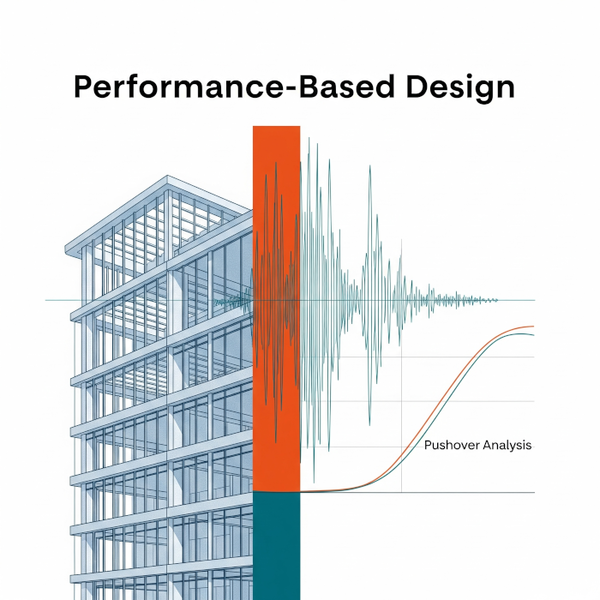
A primer on Performance-Based Design (PBD), contrasting it with prescriptive methods and its relevance for structural engineers in Canada's seismic regions.
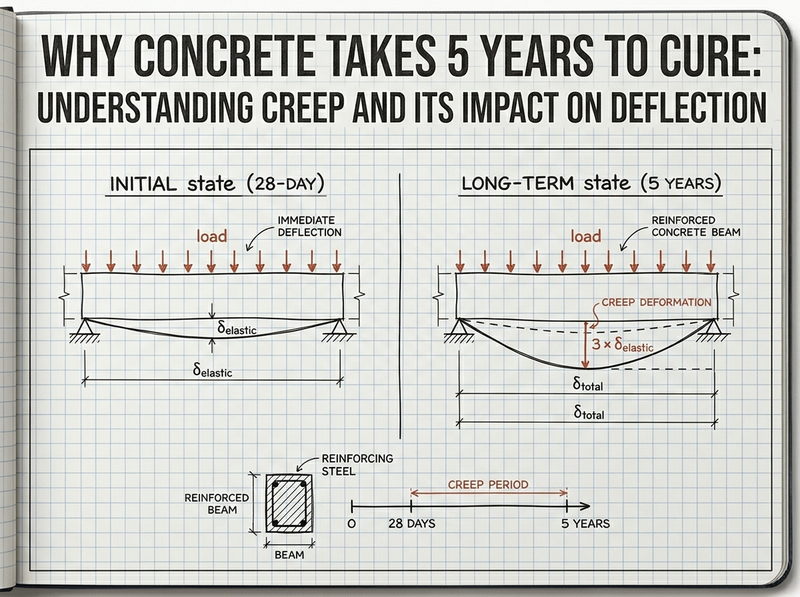
How to satisfy NBC 2020 serviceability checks—deflection, drift, creep, and vibration—so your designs feel as good as they are strong.
A look back at how structural design in the National Building Code of Canada has evolved. Understanding the shift to Limit States Design (LSD), changes in load factors, return periods, and the rationale behind them for Canadian engineers.