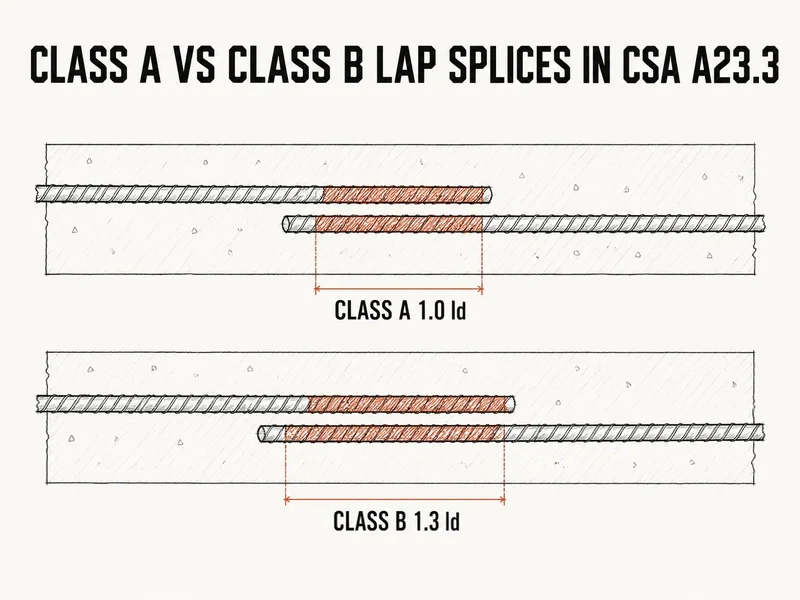
Class A vs Class B Lap Splices in CSA A23.3
CSA A23.3 allows the shorter Class A lap only with twice the steel and under half the bars spliced, so a 50 % stagger still needs a 1.3 ld Class B lap.
Explore practical insights on Canadian structural engineering, from codes (NBCC, CSA) & design procedures to innovative ideas in steel, concrete & wood. Continuous learning for EITs & P.Eng.
CSA A23.3 allows the shorter Class A lap only with twice the steel and under half the bars spliced, so a 50 % stagger still needs a 1.3 ld Class B lap.
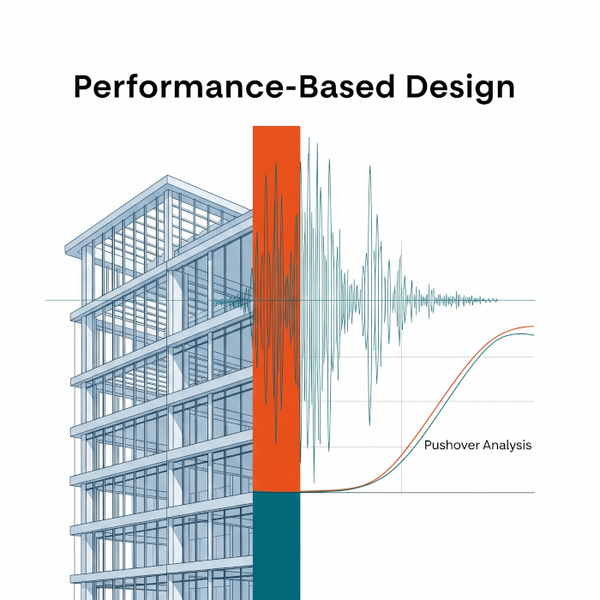
The analysis methods, modelling decisions and verification steps behind Performance-Based Design in Canadian structural engineering practice.

How to run a Performance-Based Design project: who sits on the team, the 8-step process, and how to write quantitative performance objectives.

A primer on Performance-Based Design (PBD), contrasting it with prescriptive methods and its relevance for structural engineers in Canada's seismic regions.
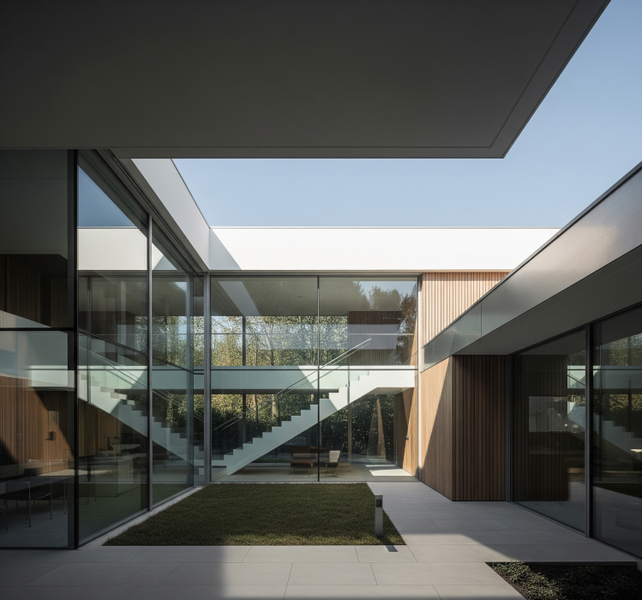
How to satisfy NBC 2020 serviceability checks for deflection, drift, creep and vibration, so your designs feel as good as they are strong.
How structural design in the National Building Code of Canada evolved: the shift to limit states design, load factors, return periods and why.

Practical guide to NBC 2020 load combinations covering the companion action principle, principal vs. companion loads, and special cases for Canadian engineers.